

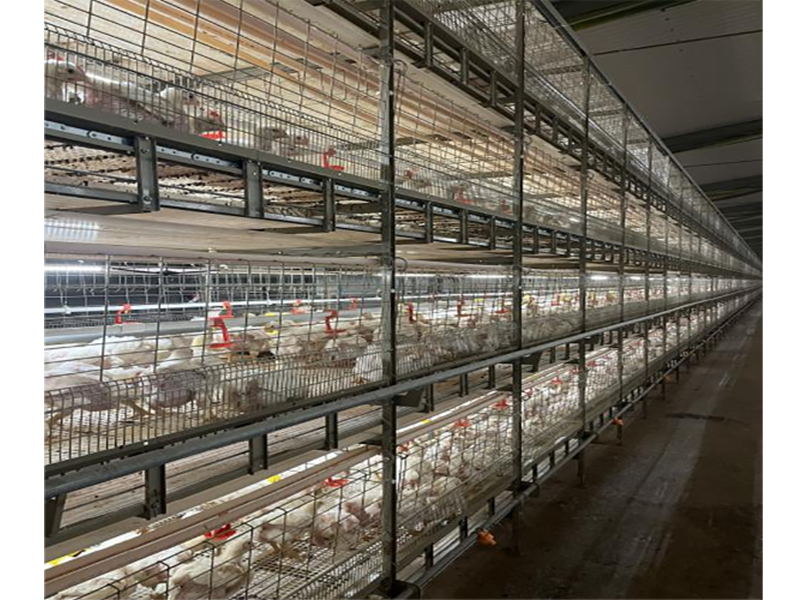
Automatic chicken cage systems Drive Sustainable Farm Development
Introduction
The global demand for poultry products continues to rise due to population growth, urbanization, and increasing protein consumption. To meet this demand sustainably, modern poultry farming must adopt efficient, ethical, and environmentally friendly practices. One of the most significant advancements in this sector is the development of automatic chicken cage systems, which enhance productivity while promoting sustainability.
These systems integrate automation, precision farming, and animal welfare principles to optimize poultry production. By reducing labor costs, improving feed efficiency, and minimizing environmental impact, automatic chicken cage systems contribute to the long-term viability of poultry farming. This paper explores the benefits, technological features, and sustainability impacts of these systems, demonstrating their role in driving sustainable farm development.
---
1. The Need for Automation in Poultry Farming
1.1 Rising Demand for Poultry Products
Poultry meat and eggs are among the most affordable and widely consumed animal protein sources worldwide. According to the Food and Agriculture Organization (FAO), global poultry production has more than doubled in the past two decades. Meeting this demand requires efficient farming methods that maximize output while minimizing resource use.
1.2 Challenges in Traditional Poultry Farming
Traditional poultry farming methods, such as free-range and manual cage systems, face several challenges:
- High labor costs – Manual feeding, egg collection, and waste management require significant workforce investment.
- Disease risks – Poor hygiene and overcrowding increase the likelihood of disease outbreaks.
- Environmental impact – Excessive waste and inefficient feed use contribute to pollution and resource depletion.
- Inconsistent productivity – Human error and variable management practices lead to fluctuating yields.
Automated chicken cage systems address these challenges by introducing precision farming techniques, ensuring consistent production while reducing inefficiencies.
---
2. Key Features of Automatic Chicken Cage Systems
2.1 Automated Feeding and Watering Systems
Modern cage systems use automated feeding mechanisms that distribute feed at scheduled intervals, reducing waste and ensuring optimal nutrition. Sensors monitor feed levels and adjust distribution based on flock size and growth stage. Similarly, nipple watering systems provide clean water on demand, minimizing spillage and contamination.
Benefits:
- Reduced feed waste (up to 20% savings compared to manual feeding).
- Improved bird health due to consistent nutrition.
- Lower labor costs as manual feeding becomes unnecessary.
2.2 Climate and Environmental Control
Temperature, humidity, and ventilation are critical for poultry health. Automatic cage systems integrate:
- Smart ventilation fans to regulate airflow.
- Heating and cooling systems to maintain optimal temperatures.
- Humidity sensors to prevent respiratory issues.
Benefits:
- Enhanced bird comfort, leading to better growth rates.
- Reduced energy consumption through efficient climate control.
- Lower mortality rates due to improved living conditions.
2.3 Automated Egg Collection
Traditional egg collection is labor-intensive and can lead to egg breakage. Automated systems use conveyor belts to transport eggs gently from cages to collection points, reducing human handling.
Benefits:
- Higher egg quality (fewer cracks and contamination).
- Increased efficiency (faster collection with minimal labor).
- Better hygiene (reduced human contact lowers disease risks).
2.4 Waste Management Systems
Poultry waste, if not managed properly, can lead to environmental pollution. Automatic cage systems incorporate:
- Manure belts that remove waste continuously.
- Composting and biogas systems to recycle waste into fertilizer or energy.
Benefits:
- Reduced ammonia emissions (improving air quality).
- Sustainable waste reuse (lowering fertilizer costs).
- Compliance with environmental regulations.
2.5 Data Monitoring and Smart Farming Integration
Advanced systems use IoT (Internet of Things) sensors to track:
- Feed consumption.
- Water usage.
- Egg production rates.
- Health indicators (activity levels, weight gain).
Farmers receive real-time data via mobile apps, allowing remote monitoring and predictive analytics.
Benefits:
- Early disease detection (reducing treatment costs).
- Optimized resource use (improving profitability).
- Data-driven decision-making (enhancing farm management).
---
3. Sustainability Benefits of Automatic Chicken Cage Systems
3.1 Resource Efficiency
- Feed optimization reduces waste and lowers costs.
- Water conservation through automated systems minimizes usage.
- Energy-efficient climate control reduces carbon footprint.
3.2 Animal Welfare Improvements
- Better space utilization prevents overcrowding.
- Controlled environments reduce stress and disease.
- Ethical farming practices align with consumer demands.
3.3 Environmental Protection
- Reduced emissions from efficient waste management.
- Lower land use due to higher stocking density efficiency.
- Sustainable waste recycling (biogas, organic fertilizer).
3.4 Economic Viability for Farmers
- Lower operational costs (less labor, reduced feed waste).
- Higher productivity (more eggs and meat per bird).
- Market competitiveness (meeting demand for ethically produced food).
---
4. Challenges and Future Developments
4.1 Initial Investment Costs
While automatic systems offer long-term savings, the high upfront cost can be a barrier for small-scale farmers. Governments and financial institutions can support adoption through subsidies and low-interest loans.
4.2 Technical Expertise Required
Farmers need training to operate and maintain automated systems. Extension programs and digital training tools can bridge this gap.
4.3 Future Innovations
Emerging technologies will further enhance automation:
- AI-powered health monitoring (predicting diseases before outbreaks).
- Robotic cleaning systems (improving hygiene).
- Blockchain traceability (ensuring food safety and transparency).
---
Conclusion
Automatic chicken cage systems represent a transformative shift in poultry farming, combining efficiency, sustainability, and animal welfare. By reducing waste, optimizing resources, and improving productivity, these systems support sustainable agricultural development.
As technology advances, further integration of AI, IoT, and renewable energy will make poultry farming even more efficient and eco-friendly. Governments, industry stakeholders, and farmers must collaborate to accelerate adoption, ensuring a resilient and sustainable food system for future generations.
The transition to automated poultry farming is not just a trend—it is a necessity for meeting global food demands responsibly.
Situs web ini menggunakan cookie untuk memastikan Anda mendapatkan pengalaman terbaik di situs web kami.
 English
 Pусский
 Français
 العربية
 қазақ
қазақ o'zbek
 Кыргызча
 тоҷикӣ
 Türkmenler
 Catalogue



 ada apa
 Telepon
Komentar
(0)