

Introduction to Steel Chicken House
A Steel Chicken House is a modern poultry housing structure built primarily with steel frameworks and metal panels, designed to provide a durable, hygienic, and highly controlled environment for poultry farming. With the global poultry industry shifting toward large-scale, automated, and biosecure production, steel chicken houses have become the preferred solution for broiler, layer, breeder, and pullet operations.
Compared with traditional brick or concrete poultry houses, steel chicken houses offer superior structural strength, faster construction, lower long-term maintenance costs, and better compatibility with advanced poultry equipment. Their prefabricated and modular nature allows for flexible design, rapid installation, and future expansion, making them suitable for both new farms and upgrades of existing facilities.
Steel chicken houses are widely used in regions with varying climates, from tropical zones with high humidity to cold areas requiring strong insulation. By integrating feeding, drinking, ventilation, lighting, and manure management systems, steel chicken houses support high productivity while maintaining animal welfare and biosecurity standards.
This article provides a comprehensive overview of steel chicken houses, covering structural parameters, technical features, advantages, application scenarios, usage instructions, maintenance guidance, common problems, and frequently asked questions, offering valuable information for decision-makers in the poultry industry.
What Is a Steel Chicken House?
A Steel Chicken House is a poultry building constructed using a steel structural frame as the main load-bearing system. The structure is typically combined with insulated wall panels, metal roofing, and modern environmental control equipment.
Core Purposes
Providing a safe and stable living environment for poultry
Supporting automated poultry farming systems
Improving production efficiency and biosecurity
Reducing construction and operational costs
Steel chicken houses can be designed as single-span, multi-span, or modular buildings, depending on farm scale and production goals.
Main Structural Components of a Steel Chicken House
1. Steel Frame System
H-section or C-section steel columns and beams
Galvanized steel purlins
Anti-corrosion surface treatment (hot-dip galvanizing or painting)
2. Roof System
Color-coated steel sheets
Insulated sandwich panels
Optional skylights and ridge ventilation
3. Wall System
Insulated sandwich panels
Color steel panels with insulation
Curtain walls (for natural ventilation systems)
4. Floor System
Reinforced concrete floor
Anti-slip and waterproof surface
Optional slatted flooring for breeder houses
5. Doors and Openings
Insulated steel doors
Emergency exits
Ventilation inlets
Technical Parameters of Steel Chicken House
Technical specifications vary based on poultry type, climate, and farm capacity. Typical parameters include:
1. Building Dimensions
Width: 8–18 meters
Length: 30–150 meters
Height: 3–6 meters (customizable)
2. Structural Performance
Wind load resistance: 0.3–0.8 kN/m²
Snow load resistance: 0.2–0.6 kN/m²
Seismic resistance: Grade 7–9
3. Steel Material
Q235 or Q355 structural steel
Galvanized steel components
4. Insulation Specifications
Insulation thickness: 50–100 mm
Core materials: EPS, PU, or rock wool
5. Design Life
20–30 years
6. Poultry Capacity
Broilers: 20,000–70,000 birds
Layers: 10,000–40,000 birds
Breeders and pullets: customized layout
Key Features of Steel Chicken House
1. High Structural Strength
Steel structures provide excellent load-bearing capacity and resistance to wind, snow, and seismic forces.
2. Fast Construction Speed
Prefabricated steel components significantly shorten construction time compared to traditional buildings.
3. Excellent Environmental Control
Steel chicken houses are ideal for installing advanced ventilation, heating, cooling, and climate control systems.
4. Modular and Expandable Design
Additional sections can be added easily as farm production expands.
5. Superior Biosecurity
Smooth surfaces and enclosed structures make cleaning and disinfection more effective.
6. Compatibility with Automation
Designed to support automated feeding, drinking, lighting, and manure removal systems.
Advantages of Steel Chicken House
1. Lower Construction Cost
Reduced material waste and faster installation lead to lower overall construction expenses.
2. Long Service Life
High-quality steel and corrosion protection ensure long-term durability.
3. Improved Poultry Performance
Stable indoor climate improves growth rate, feed conversion, and egg production.
4. Energy Efficiency
Insulated panels reduce heat loss and energy consumption.
5. Easy Maintenance
Damaged components can be replaced individually without major structural changes.
6. High Return on Investment
Improved productivity and reduced operating costs lead to faster ROI.
Application Scenarios of Steel Chicken House
1. Broiler Chicken Farming
Ideal for high-density meat production with controlled ventilation and temperature.
2. Layer Chicken Farming
Suitable for cage systems and floor systems for egg production.
3. Breeder and Parent Stock Farms
Provides stable environmental conditions for breeding operations.
4. Pullet Rearing Facilities
Supports healthy growth during early life stages.
5. Large-Scale Poultry Complexes
Used in integrated poultry production systems.
Working Principle and Farm Operation
Environmental Management
Ventilation systems regulate temperature, humidity, and air quality.
Feeding and Drinking
Automated systems ensure uniform feed and water distribution.
Lighting Control
Programmable lighting schedules support poultry growth cycles.
Waste Management
Manure removal systems maintain hygiene and reduce ammonia levels.
Usage Instructions for Steel Chicken House
Before Operation
Inspect the steel structure and connections
Test ventilation, heating, and cooling systems
Verify equipment installation accuracy
During Operation
Monitor temperature, humidity, and airflow
Maintain appropriate stocking density
Conduct routine inspections
After Each Production Cycle
Clean and disinfect the entire house
Inspect steel components and coatings
Perform necessary maintenance
Maintenance and Care
Daily Maintenance
Check ventilation and feeding systems
Observe structural condition
Monthly Maintenance
Inspect bolts, joints, and coatings
Lubricate moving parts of equipment
Long-Term Maintenance
Repaint or recoat steel surfaces if required
Replace damaged panels or components
Common Problems and Solutions
Problem 1: Condensation on Walls or Roof
Cause: Insufficient insulation or poor ventilation
Solution: Improve insulation and adjust ventilation rates
Problem 2: Corrosion of Steel Components
Cause: High humidity or ammonia levels
Solution: Enhance ventilation and apply anti-corrosion coatings
Problem 3: Temperature Imbalance
Cause: Poor airflow design
Solution: Optimize fan layout and air inlet positioning
Problem 4: Structural Deformation
Cause: Overloading or extreme weather
Solution: Strengthen structure and follow design standards
Biosecurity and Animal Welfare Considerations
Controlled access points
Easy-to-clean surfaces
Proper waste management
Adequate space and ventilation
Steel chicken houses are designed to meet modern animal welfare standards while maintaining high production efficiency.
SEO and Commercial Value of Steel Chicken House
The keyword Steel Chicken House has strong global search demand from poultry farm investors, contractors, and agricultural developers. Well-optimized content targeting this keyword helps improve website authority, attract qualified leads, and support international sales growth.
Frequently Asked Questions (FAQ)
Q1: How long does it take to build a steel chicken house?
A: Typically 3–6 weeks, depending on size and design complexity.
Q2: Can steel chicken houses be customized?
A: Yes, layout, insulation, and equipment configuration can be fully customized.
Q3: Are steel chicken houses suitable for extreme climates?
A: Yes, they can be designed for hot, cold, humid, or dry climates.
Q4: What is the lifespan of a steel chicken house?
A: 20–30 years with proper maintenance.
Q5: Can it support automated poultry equipment?
A: Yes, steel structures are ideal for automation systems.
Q6: Is a steel chicken house environmentally friendly?
A: Yes, steel is recyclable and energy-efficient when combined with insulation.
Q7: Does it comply with international poultry standards?
A: Yes, designs can meet local and international agricultural standards.
Conclusion
The Steel Chicken House is a proven and reliable solution for modern poultry farming. With its high structural strength, fast construction, excellent environmental control, and compatibility with automated systems, it offers significant advantages over traditional poultry buildings.
For broiler, layer, breeder, or pullet operations, investing in a steel chicken house ensures long-term productivity, improved biosecurity, and sustainable farm development in a competitive global poultry market.
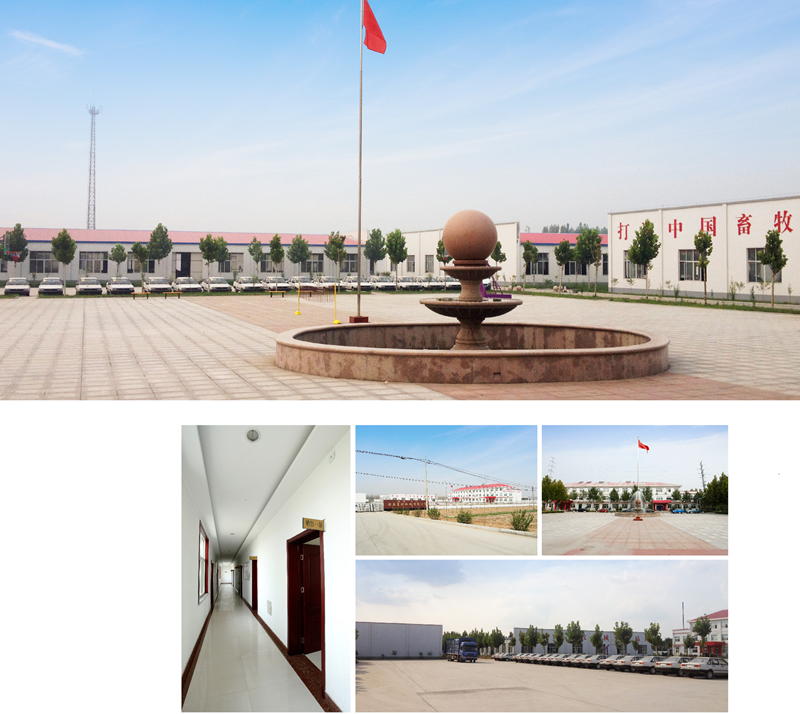
Shandong Huimin Qinle Livestock Machinery Co., Ltd. (formerly Shandong Huimin Qinle Livestock Machinery Factory) is a professional poultry equipment manufacturer with over 20 years of experience. We offer a comprehensive service package, from design (land and chicken coops), production (equipment and prefabricated steel coops), installation, commissioning, customer training, and after-sales service.
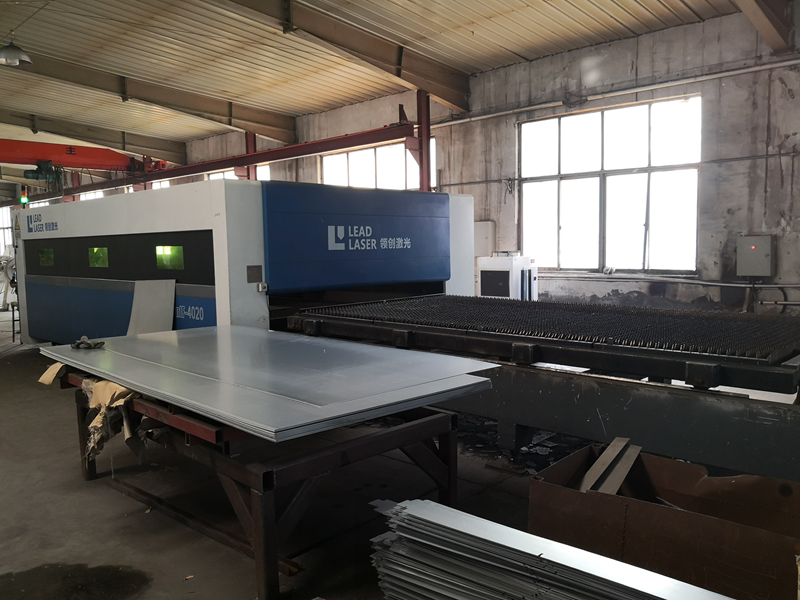
Located in Huimin County, Binzhou City, Shandong Province, China, the company has extensive experience in mechanical processing and manufacturing, as well as livestock machinery production and operation. With fixed assets of RMB 15 million, the company employs 160 people, including 30 R&D staff, and occupies a 40,000-square-meter factory. Equipped with over 110 pieces of advanced precision production equipment, including CNC machining centers and laser cutting machines, the company boasts a production capacity of RMB 50 million.
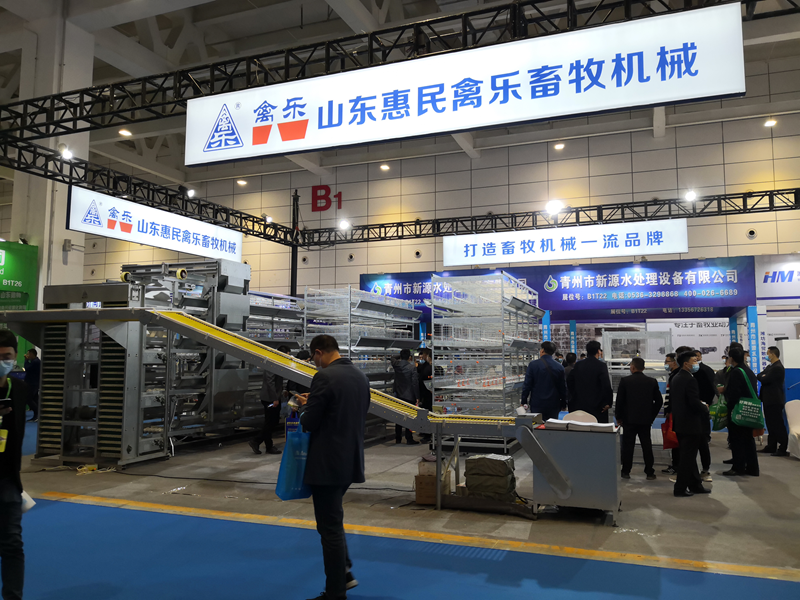
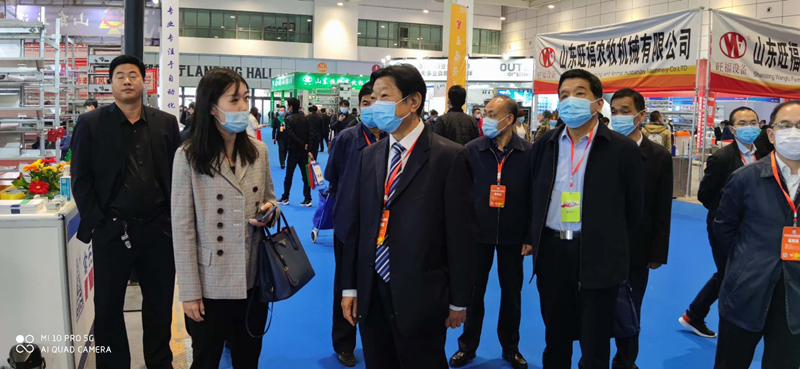
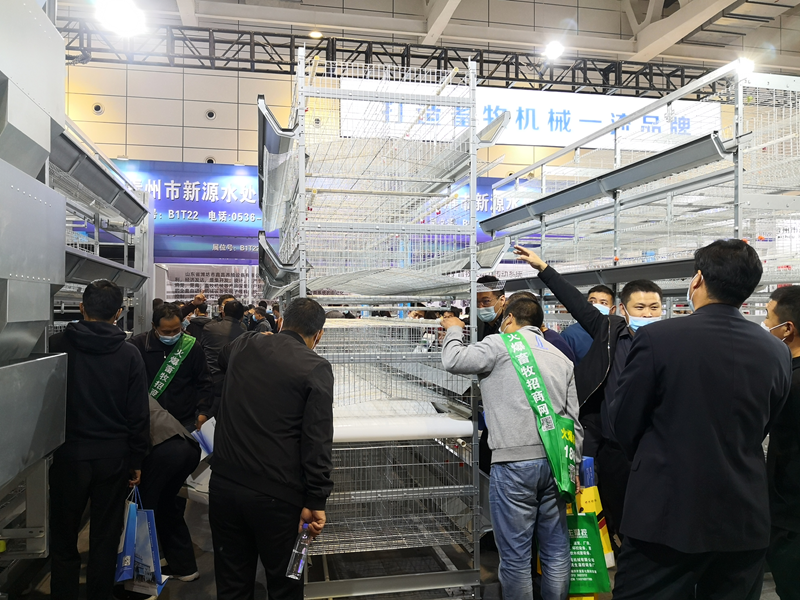
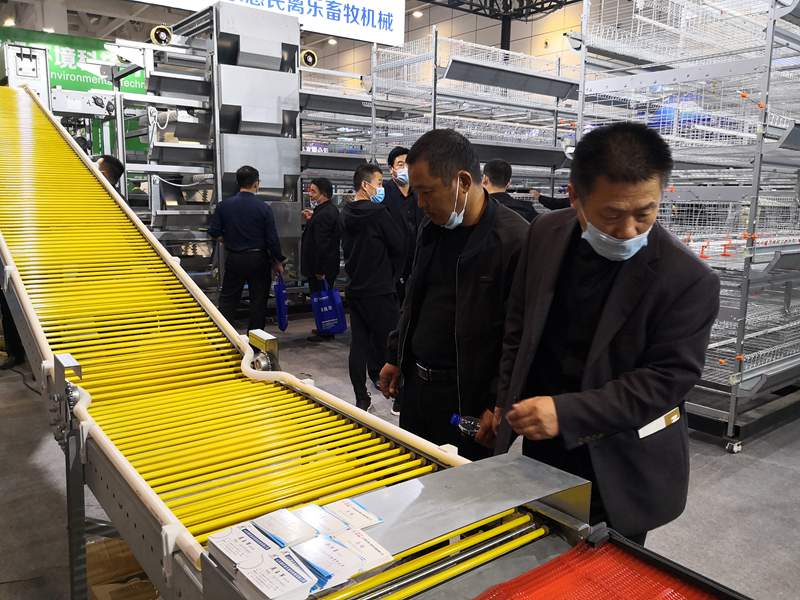
Chicken Farming Equipment Mesh Production Workshop

Machining Workshop
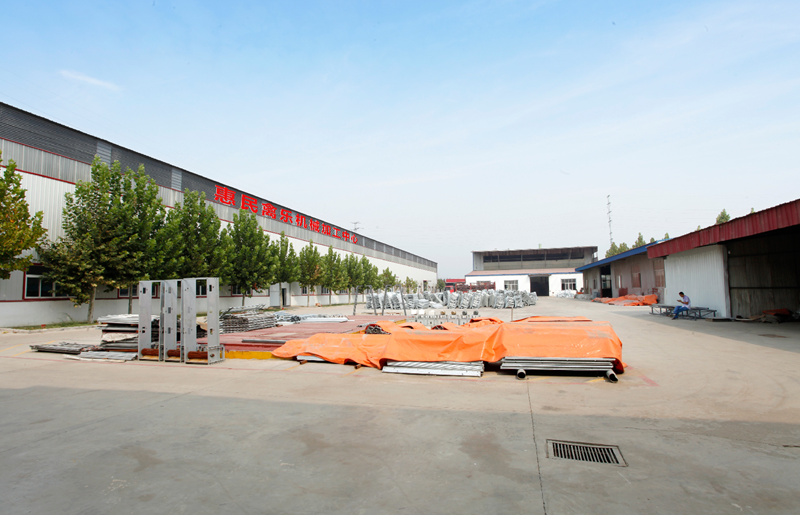
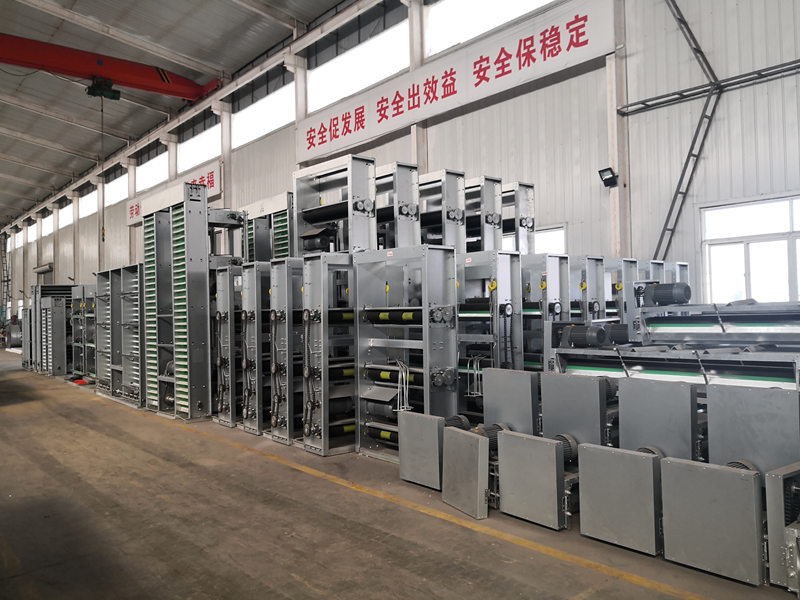
Turret-type CNC Punch Press, Laser Cutting and Other Machining Equipment
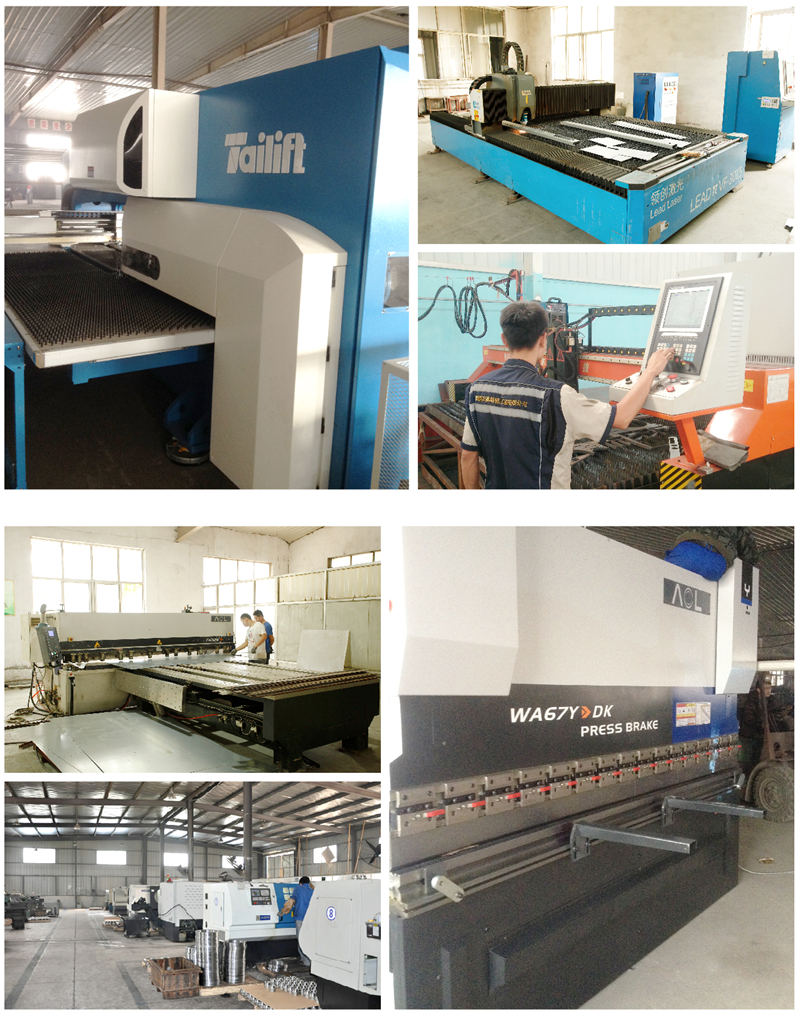

Fully Automated Roll Forming Production Line

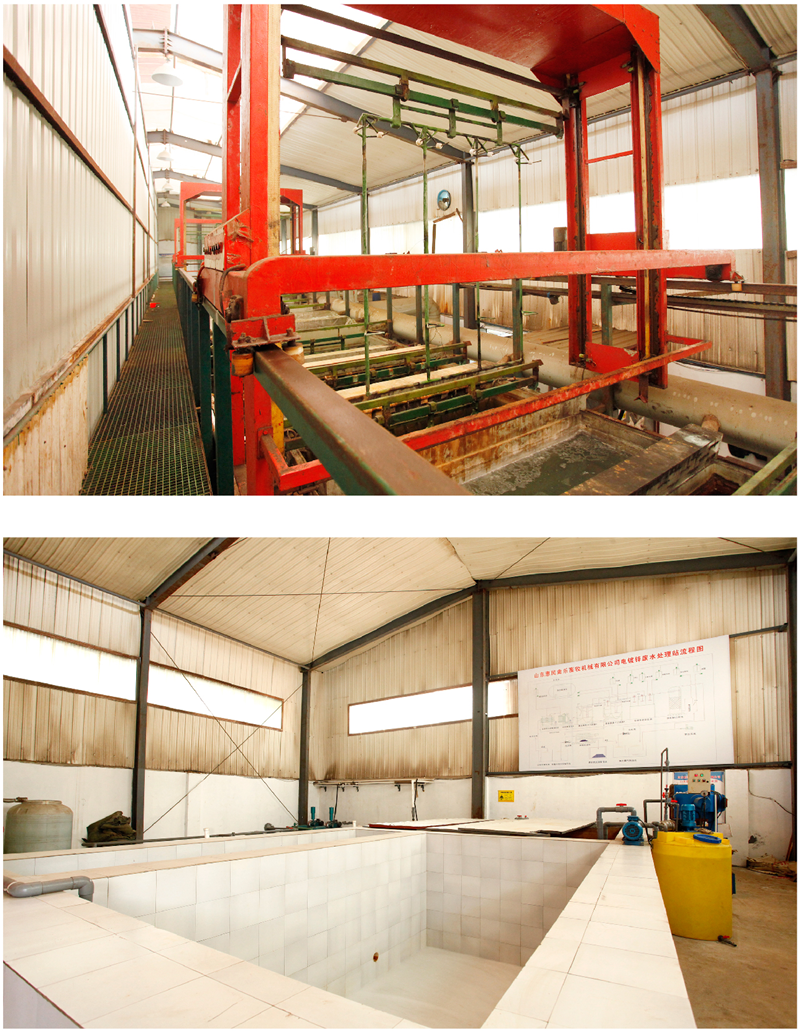
Hot-dip Galvanizing Production Line

Electroplating Production Line
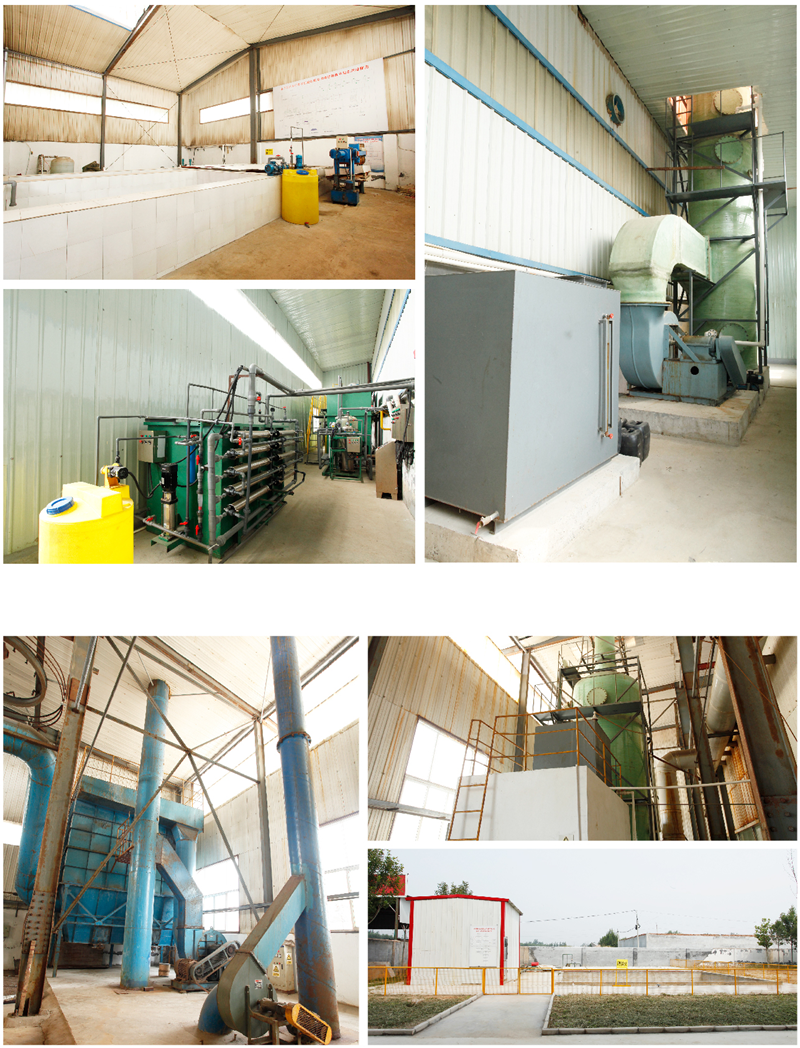
Environmental Protection Equipment
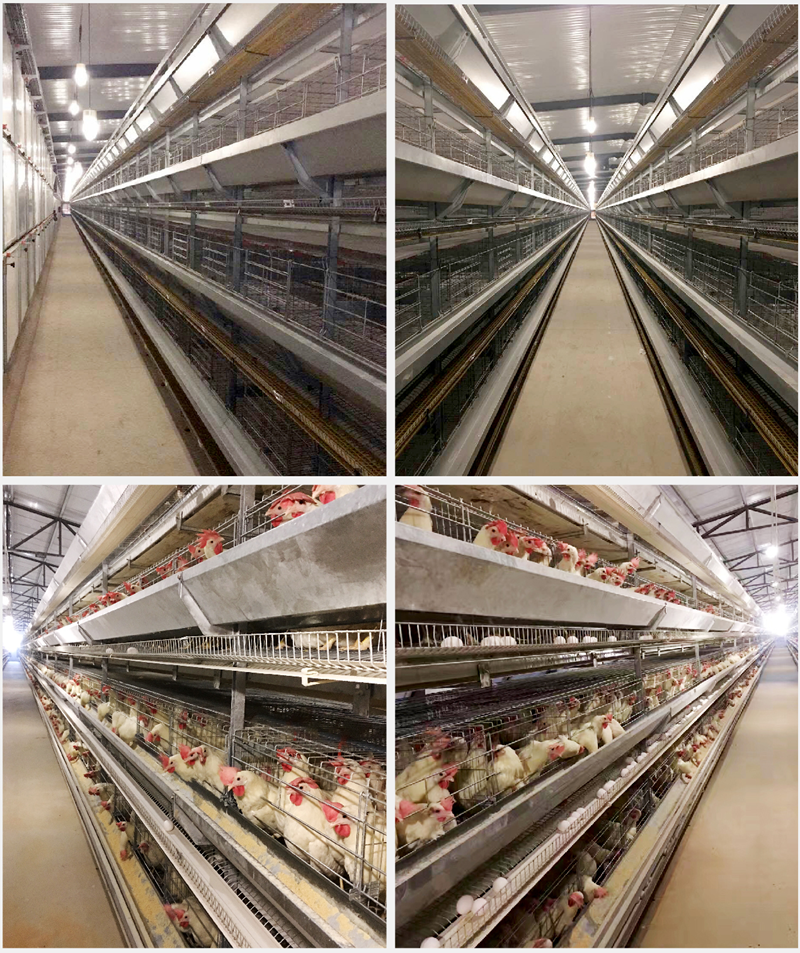
Chicken Farming Equipment Product Series
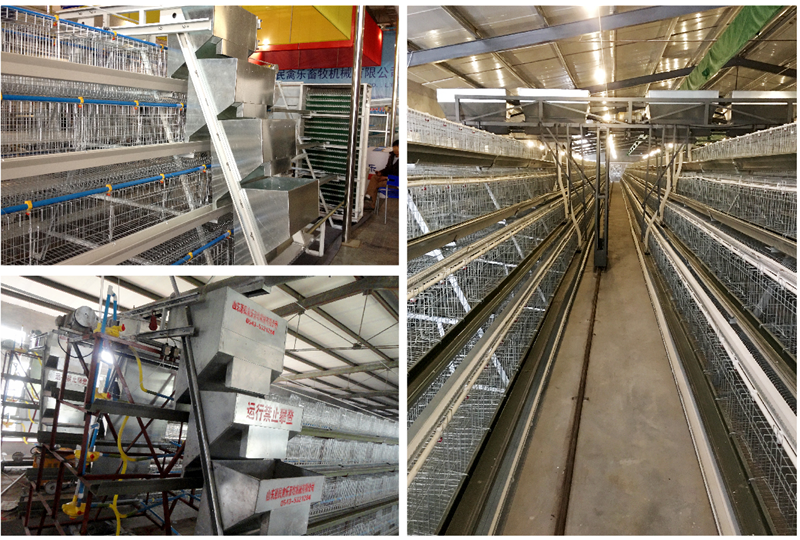
Egg-laying Hen Farming Equipment
Stacked Brooding Cage Equipment

Stacked Broiler Cage Equipment
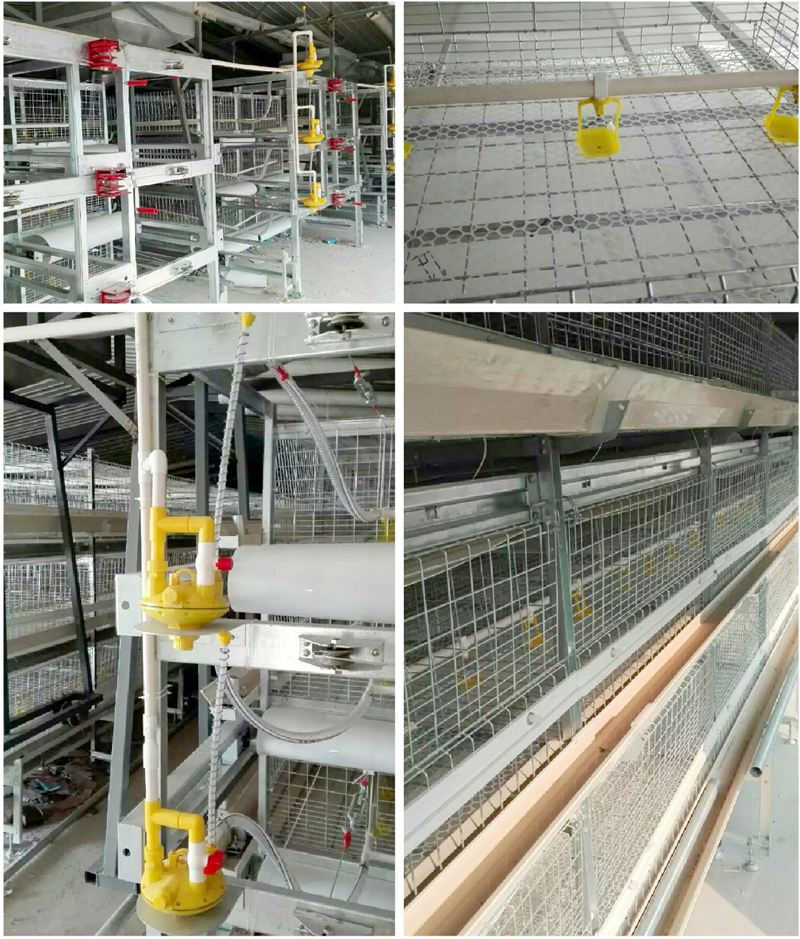
Stepped Layer Hen Cage Rearing Equipment
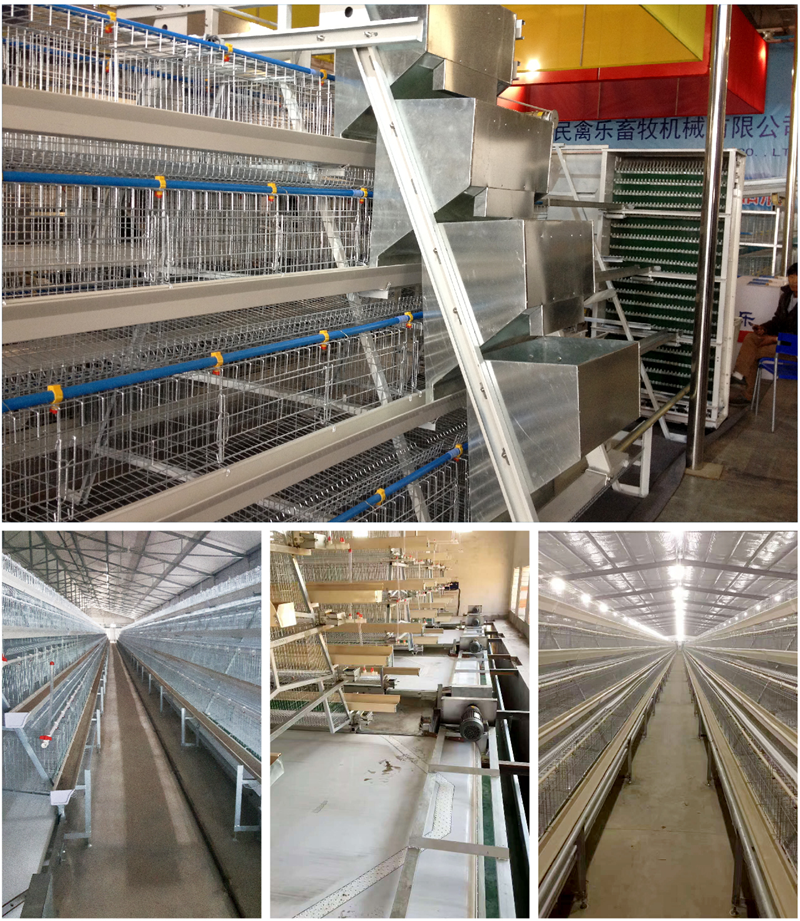
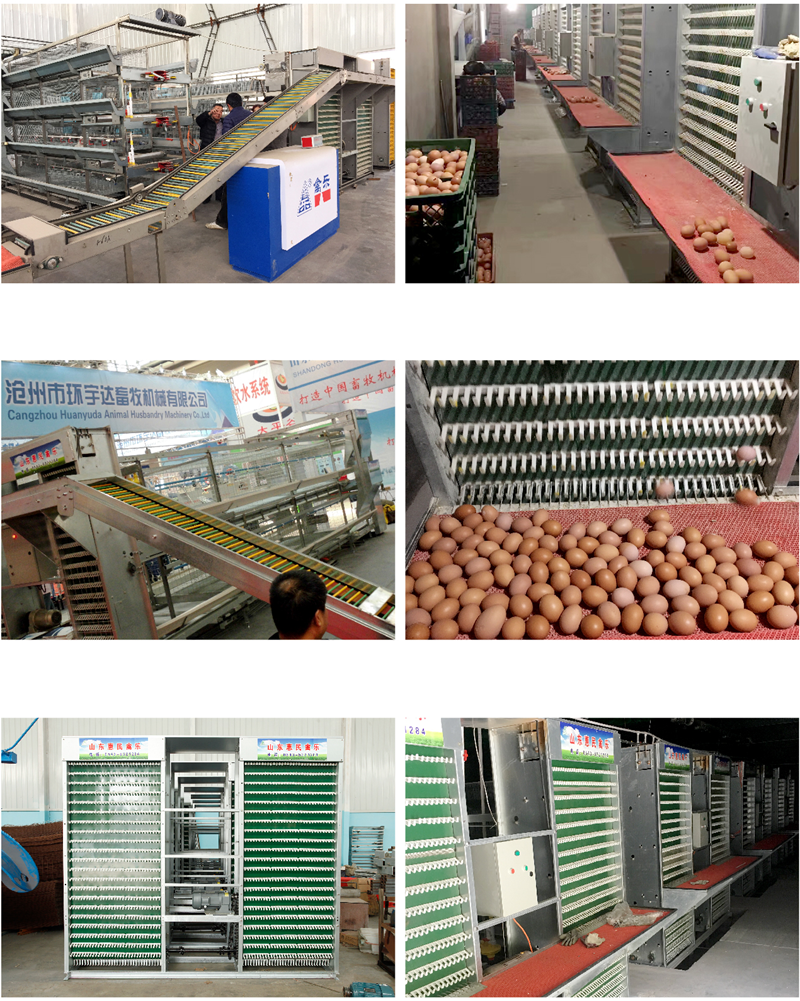
Automatic Egg Collection System
H-type Cage Feeding Machine
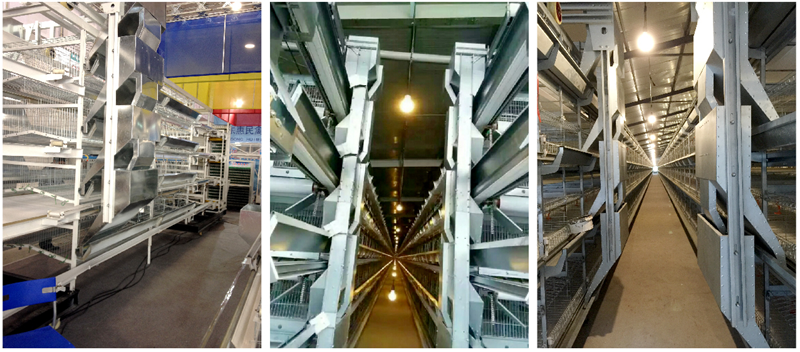
Stepped Cage Straddle Feeder
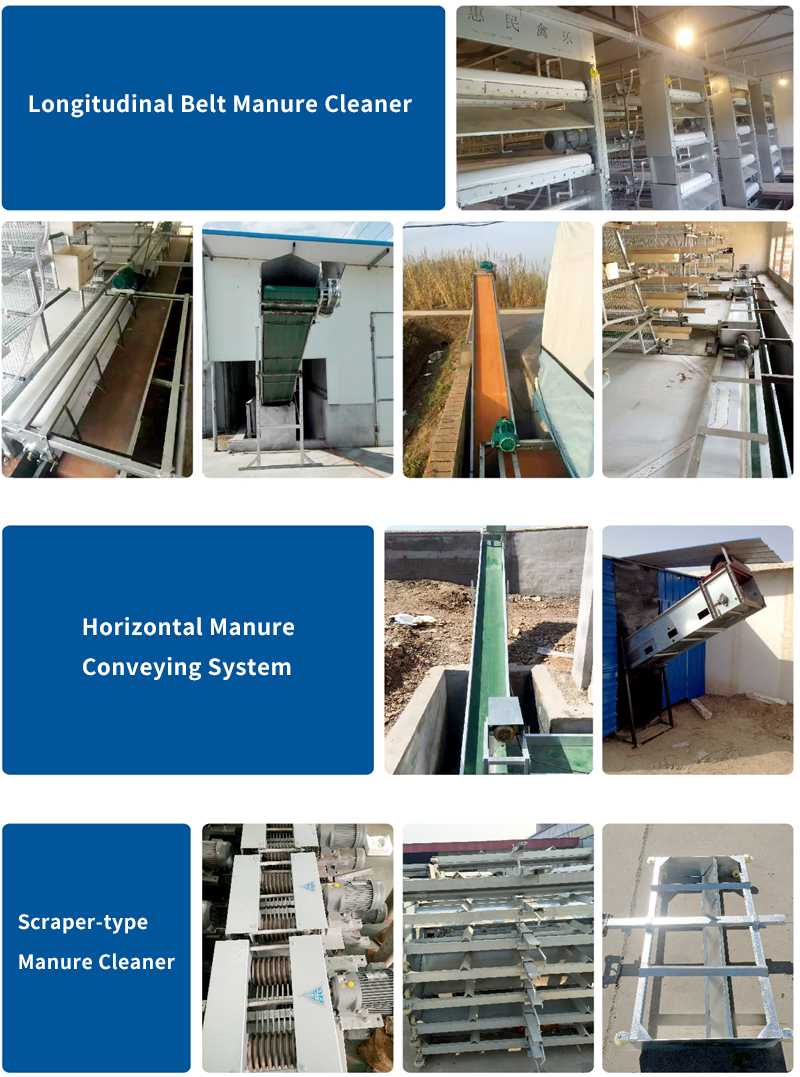
Manure Removal Machine
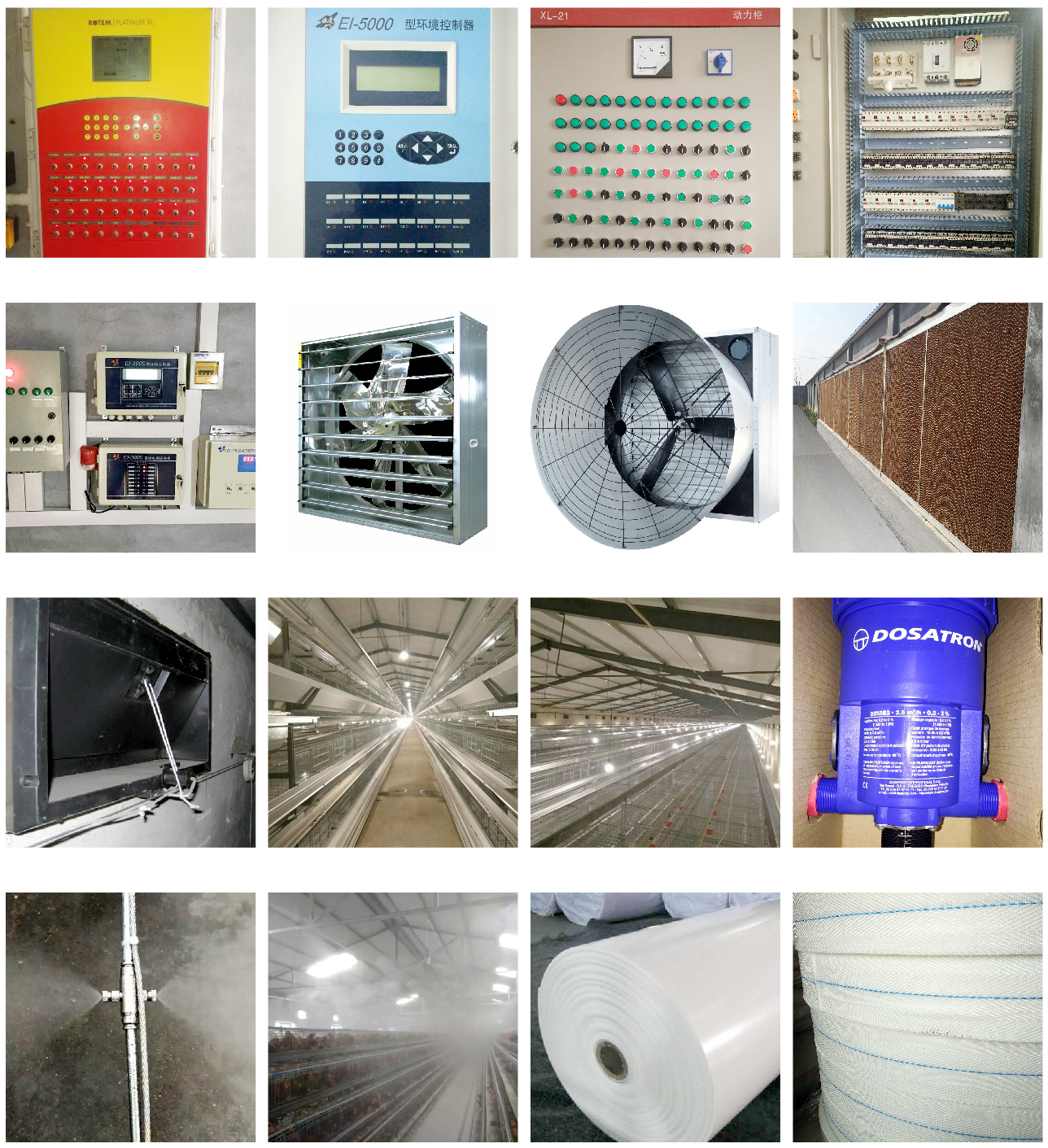
Fans, Heated Curtains, Environmental Control Systems, and Lighting Equipment
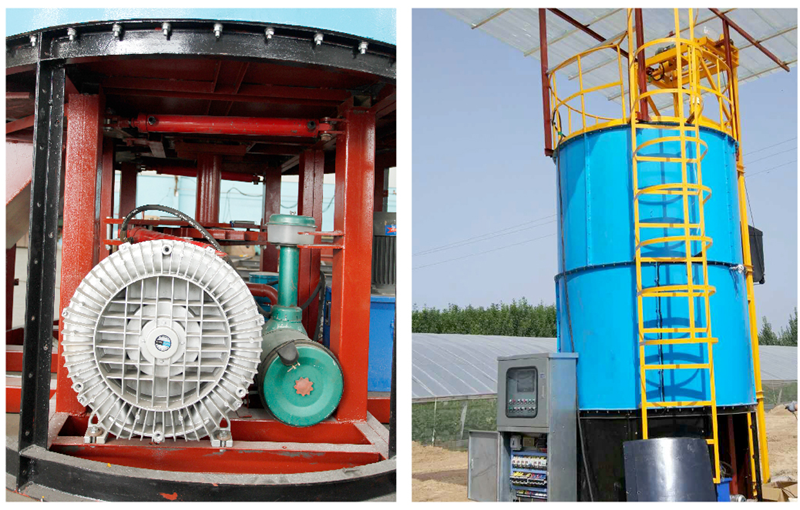
Complete Set of Equipment for Organic Fermentation Treatment of Manure
 RELATED
Situs web ini menggunakan cookie untuk memastikan Anda mendapatkan pengalaman terbaik di situs web kami.
 English
 Pусский
 Français
 العربية
 қазақ
қазақ o'zbek
 Кыргызча
 тоҷикӣ
 Türkmenler
 Catalogue



 ada apa
 Telepon